A huge week ahead: Midterms, the Bank of England and US payrolls
Listen to this daily briefing
Blog By David Stritch, Senior Multicurrency Analyst, Caxton | November 2nd
What will move the pound this week? Midterms, the Bank of England and US payrolls
Sterling starts the week near an 18-month high against the euro, with GBP/EUR opening at 1.1979 on Monday 2 November after breaking above 1.20 on Friday. Three events could decide where it goes next: Tuesday’s US midterm elections, Thursday’s expected Bank of England rate rise and Friday’s US jobs report.
Key takeaways
- GBP/EUR is close to 1.20, helped by expected Bank of England hikes and pressure on France’s public finances.
- The Bank of England is expected to raise Bank Rate to 4.0% on Thursday. The vote split and guidance will matter more than the hike itself.
- US midterm results arrive overnight Tuesday into Wednesday, so dollar volatility is likely midweek.
- Oil has eased on hopes for Iran talks, but the risk of escalation after the vote has not gone away.
Why is the pound so strong against the euro?
The pound is being lifted by expected UK rate rises while the euro is weighed down by France. Higher interest rates tend to support a currency because they make holding it more rewarding, and the UK is now heading towards tighter policy.
On the euro side, Fitch revised France’s outlook to negative from stable on Friday, warning that worsening fiscal conditions and political fragmentation are undermining the prospects of stabilising its debt. The agency kept France’s rating at A+, but the direction of travel is clear. Fitch now expects French debt to climb to around 124% of GDP by 2028, up from 115.7% in 2025. fitch revises frances outlook to negative on worsening debt dynamics +2
The economic backdrop isn’t helping either. The French economy unexpectedly shrank in the third quarter, while October inflation rose to its highest level since late 2023. Shrinking output alongside rising prices is an awkward mix for the eurozone’s second-largest economy, and it keeps a lid on the single currency. wmbdradio
What is the Bank of England expected to do on Thursday?
Markets and most economists expect a quarter-point rise to 4.0%, the first increase in more than three years. A Reuters poll found 54 of 63 economists forecasting a rise from 3.75% to 4%, whereas a month earlier around nine in ten had expected rates to stay on hold for the rest of the year. sovereignmagazine
That shift has happened fast. In September the Bank held at 3.75% in a 6–3 vote, with three members already backing a rise to 4%, and inflation pressure has built since then. The decision comes at noon UK time on Thursday 5 November, alongside a new Monetary Policy Report. cambridgecurrenciescambridgecurrencies
Because a hike is largely priced in, the reaction in sterling will hinge on two details:
- The vote split. Rabobank expects a 7–2 split. A more united committee would read as hawkish and could support the pound; a narrow vote could see sterling give back some gains. fxstreet
- Guidance on further hikes. There is a gap between traders and economists here. Markets are fully pricing four quarter-point rises by the end of next year, yet there is no majority among economists for another hike beyond November. If the Bank sounds cautious about the path ahead, that gap could close in a way that weighs on sterling. primexbt
How could the US midterms affect currencies?
The midterms are the week’s biggest political risk, and their timing makes Wednesday morning the moment to watch. Democrats are favoured to take the House, with the Senate seen as a toss-up. Results will come through overnight, so the dollar could be volatile into Wednesday’s European session.
A divided Congress would make large new fiscal measures harder to pass, which markets generally read as less dollar-supportive on spending, though the bigger driver for the dollar remains Federal Reserve policy.
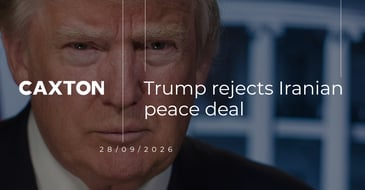
There is also a geopolitical thread. The White House has reportedly favoured diplomacy with Iran ahead of the vote. In October, Trump said the US would not attack Iran before the elections amid productive talks to end the war, and he has hinted strikes could resume after the midterms on 3 November. Markets are wary that the calm could end once polling closes. tribuneenergyconnects
What does oil have to do with exchange rates?
Oil prices feed directly into inflation, and inflation drives central bank decisions. Brent crude fell 2–3% on hopes of talks to end the Iran war, trading near $110 a barrel. That compares with around $115 a barrel on 28 October. engine
Lower oil eases inflation pressure, which matters most for energy importers such as the UK and the eurozone. But attacks on Gulf tankers keep the risk of a sharp move higher very much alive. A renewed spike would revive inflation worries and complicate the outlook for every central bank this week.
What else is the market watching this week?
Friday’s US Nonfarm Payrolls report is the final hurdle. The forecast is around 65,000 new jobs, against 29,000 last month, with unemployment expected at 4.2%. Stronger-than-expected US data has already reinforced expectations of another Federal Reserve rate hike in December, so a solid print would keep that in play and support the dollar. fxstreet
The full calendar:
- Monday: UK and US manufacturing PMIs, US ISM Manufacturing
- Tuesday: Reserve Bank of Australia decision, US midterm elections, US JOLTS job openings
- Wednesday: Eurozone CPI inflation, UK and US services PMIs, US ISM Services
- Thursday: Bank of England decision, hike to 4.0% expected
- Friday: US Nonfarm Payrolls, forecast around 65,000
Monday’s opening levels: GBP/USD 1.3390, GBP/EUR 1.1979, GBP/CAD 1.8707, GBP/AUD 1.9048, GBP/NZD 2.3795, GBP/JPY 211.05 and EUR/USD 1.1161.
What does this mean for businesses and individuals with currency exposure?
A week with this many scheduled events is one where rates can move a long way in a short time. For anyone with a payment or receipt coming up, that is worth planning around.
- Paying eurozone suppliers: GBP/EUR near 1.20 is historically attractive. A forward contract, which fixes an exchange rate today for a payment later, lets you secure that level rather than gamble on Thursday’s guidance.
- Receiving euro or dollar revenue: A stronger pound means your foreign income converts into fewer pounds. It may be worth considering how much of that exposure you want to leave open.
- Large personal transfers: If you’re buying property abroad or moving savings, avoid leaving the whole amount to a single day in a week like this. Rate alerts can notify you if your target level is reached.
David’s view
My read is that the pound has done much of its work already. A Bank of England hike on Thursday is the expectation, not the surprise, and sterling’s next leg depends on whether the Bank endorses the market’s aggressive path or pushes back against it. I’d be cautious about assuming 1.20 against the euro is a floor. France’s problems are real, but they are slow-burning, while the midterms and Iran could jolt sentiment overnight. For businesses with euro costs, this is a level worth taking seriously rather than one to chase higher.
Frequently asked questions
Will the pound go above 1.20 against the euro?
It briefly did on Friday. Whether it holds above that level depends largely on Thursday’s Bank of England guidance and on how French fiscal concerns develop. Nobody can guarantee the direction, which is why many businesses fix rates for known payments.
When is the Bank of England’s next rate decision?
Thursday 5 November at 12:00 UK time, with a new Monetary Policy Report. A rise to 4.0% is widely expected.
How do US elections affect the pound?
Mostly through the dollar. Election uncertainty can move GBP/USD sharply when results land, and outcomes can shift expectations for US spending and policy.
Why did Fitch put France on negative outlook?
Fitch cited deteriorating public finances and political fragmentation that make it harder to cut the deficit. A negative outlook signals a possible downgrade, but it is not automatic.
Is now a good time to buy euros?
That depends on your own circumstances and timing. GBP/EUR is near an 18-month high, but rates can move quickly in a week of major events. Speaking with a currency specialist can help you weigh your options.
Talk to our team
If you have payments or receipts in euros, dollars or other currencies over the coming months, a short conversation with Caxton’s multicurrency dealers can help you decide whether to fix a rate now, set a rate alert, or keep your options open. Get in touch with our International Payments team to talk through your exposure.
This article is for information only and does not constitute financial advice. Exchange rates can move quickly and past performance is not a guide to future performance.

Book a Currency Workshop
Learn how market shifts impact your FX need or your business, directly from our analyst in a free consultation by good old fashioned phone call.

Share this article